

Free Power Apps Templates vs Paid: What You're Actually Trading Away
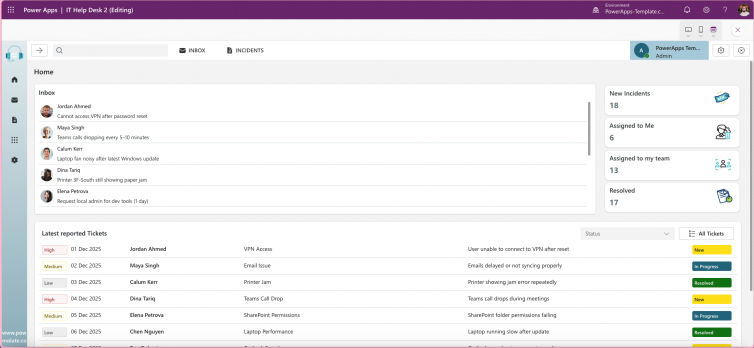
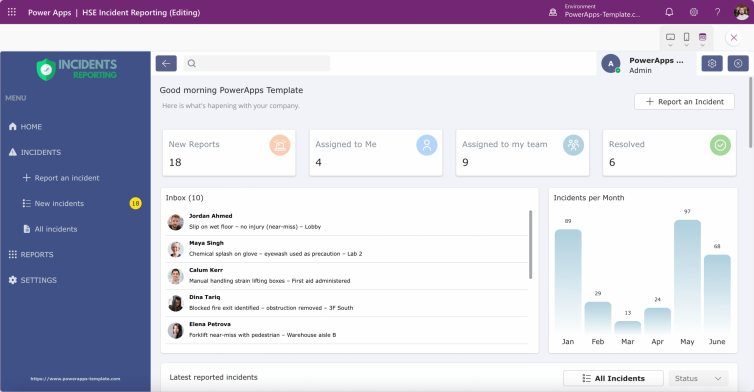
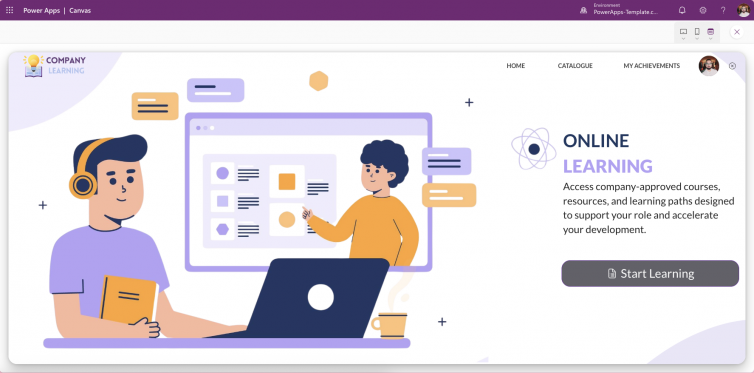
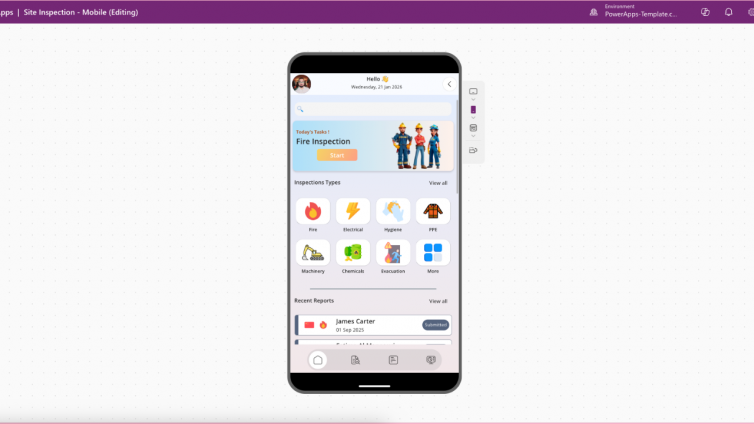
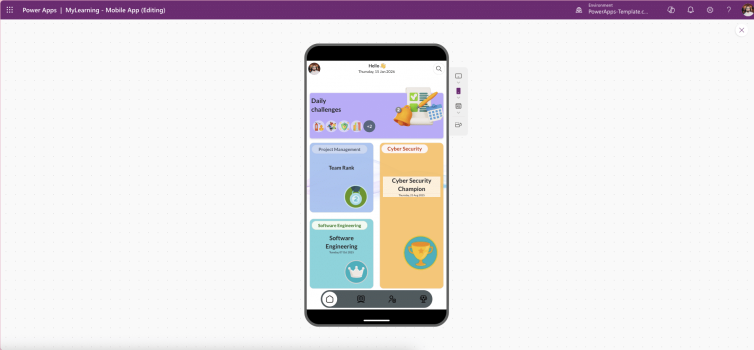
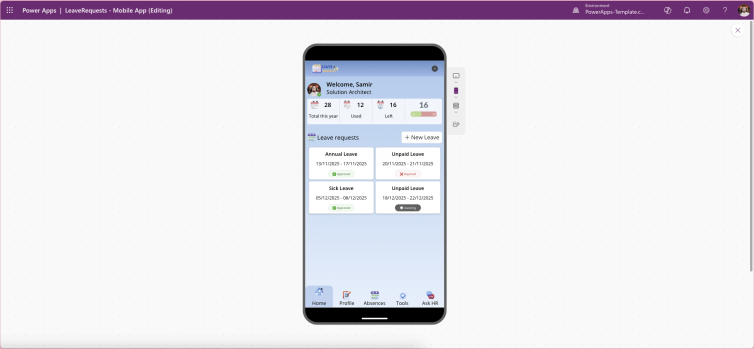
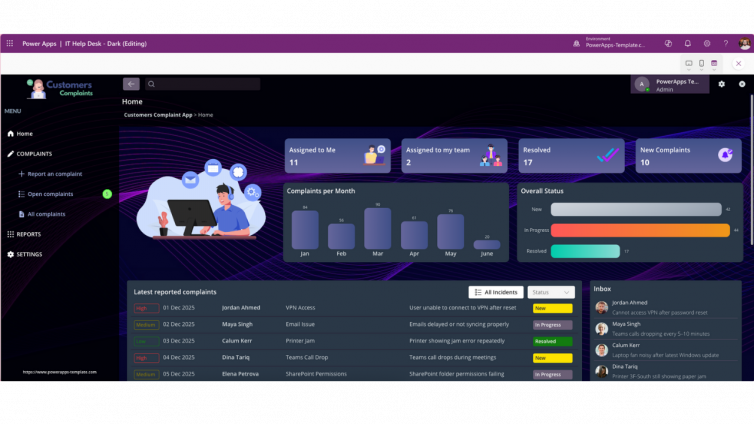
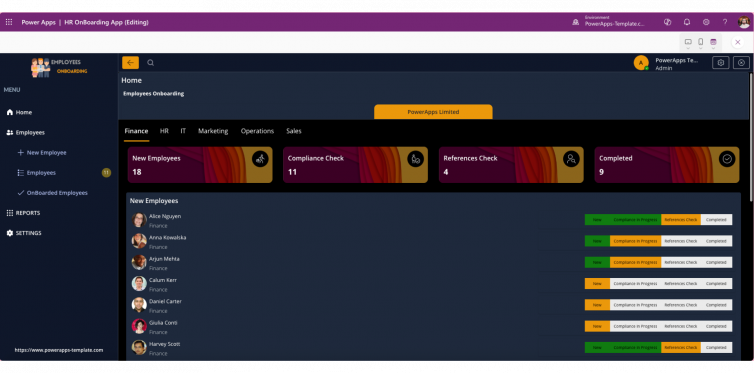
Free and paid templates look identical in a screenshot. The differences that matter sit underneath, in the data model and permission structure, and they only show up once the app is actually being used.
Free Power Apps templates are everywhere: Microsoft's own gallery, component libraries, agency lead magnets. They look the same as a paid template in a screenshot. The differences that matter are underneath, in the data model and permission structure, and they only show up once the app is actually being used, usually at the worst possible moment.

In this guide
What "free" usually means
A free template is typically built to demonstrate a pattern, not to survive production use. Flat data structures, minimal or no role separation, and rarely updated for the current platform release. That is fine for learning Power Apps or prototyping an idea in an afternoon. It is a different proposition entirely for something a team is going to run every day.
What breaks first in production
- 1 Permission logic built for one user Most free templates were never designed with more than a single role in mind. Add a second role and the workaround starts.
- 2 Data models that slow down at scale Flat tables that work fine with ten records start to drag once a team is actually using the app daily.
- 3 No audit trail Fine until someone outside the team, an auditor, a manager, a client, needs to see the history of a record.
- 4 No guarantee it still works cleanly today Power Apps changes every release wave. A template that hasn't been touched since last year was not built for how the platform runs now.
When free is the right call
There is a genuine case for starting free, and it is worth being honest about it.
- Testing whether Power Apps fits your workflow at all. No point paying before you know the platform is the right tool.
- A one-off internal tool with a single user. The permission gap that matters for a team doesn't matter for one person.
- Learning the platform before committing budget. Free templates are a genuinely useful way to see how Power Apps is put together.
When paid is worth it
- Anything a team will depend on daily. The cost of a weak foundation compounds with every additional user.
- Anything with a compliance or audit requirement. A missing audit trail is not a feature gap, it is a liability.
- Anything expected to scale past a handful of users. Flat data structures don't fail gracefully, they fail quietly until someone notices the app has gotten slow.
Free vs paid, side by side
| Factor | Free templates | Paid templates ($99) |
|---|---|---|
| Data model | Often flat, demo-grade | Normalised, built for scale |
| Permissions | Minimal or absent | Role-based, documented |
| Audit trail | Rarely included | Built into the record lifecycle |
| Updates | Rarely maintained | Aligned to current release wave |
| Solution type | Varies, often locked | Unmanaged, fully editable |
| Best for | Learning, quick prototypes | Production business apps |
If you are testing whether Power Apps fits your workflow at all, start free. If you are deploying something a team will depend on daily, the gap in data model and permission quality is where free templates cost you the most time later, not upfront.
FAQ
Are free Power Apps templates safe to use in production?
They can work for very low-stakes internal tools, but most lack the permission structure and audit trail a production app needs.
What's the real cost difference between free and paid templates?
The upfront cost is the only difference on day one. The gap shows up later, in the hours spent retrofitting a data model that wasn't built to scale.
Can a free Power Apps template be upgraded later?
Sometimes, but it usually means rebuilding the data model rather than extending it, since most free templates weren't structured with growth in mind from the start.
The bottom line
Free and paid templates solve different problems. Free is for finding out if an idea works. Paid is for the version a business actually runs on. The mistake isn't choosing free, it's not knowing which one you actually need before you build on top of it.
See what a properly structured template includes
Every template in the marketplace ships as a full unmanaged solution, with a data model and permissions built for production from day one.
Browse the Marketplace